
Build an approval‑ready credit profile
Understand what’s driving your credit decisions, identify items that may be unfair or inaccurate, and take a structured next step toward stronger approvals and better terms.
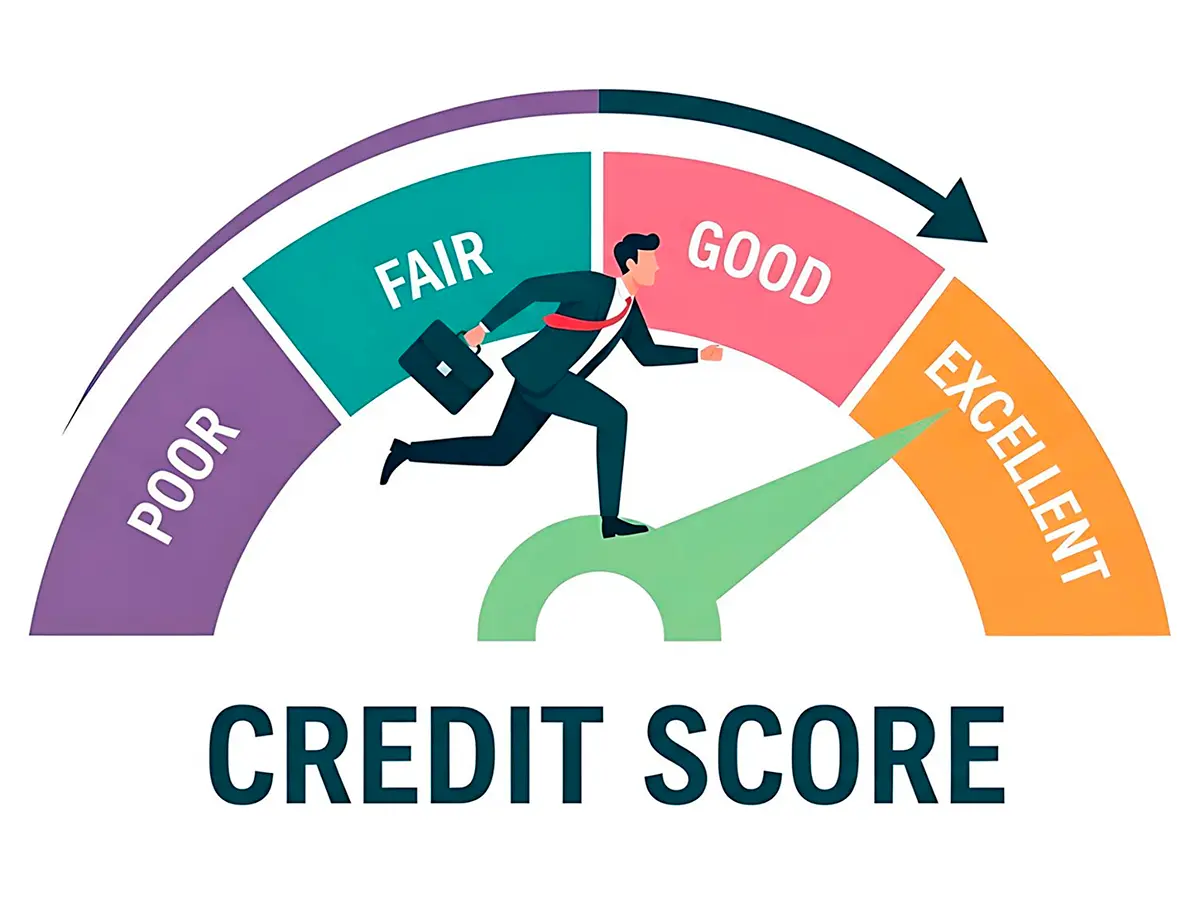
Built around established U.S. credit reporting practices and dispute procedures under the Fair Credit Reporting Act (FCRA). No unrealistic promises—just clarity, documentation, and structured credit improvement.
Unlock more options
Choose the outcome you care about. We’ll outline what improves it—and what to watch for—so you can move forward with confidence.
Your path to stronger credit
A stronger credit profile can mean better approval odds, improved loan terms, and more financial flexibility. Get a clear, no-fluff overview of what credit improvement can help you achieve — then take the next step when you're ready.
Credit decisions in the U.S. are typically influenced by payment history, utilization ratios, account age, recent inquiries, and the accuracy of reporting across major credit bureaus.
Even small inconsistencies can affect lending algorithms. A structured credit improvement approach focuses on verified data, responsible usage patterns, and consistent financial behavior.
*Results vary. This page does not guarantee outcomes.
How it works
A straightforward workflow used by reputable credit‑support programs: review, challenge what’s questionable, and build stronger habits while updates are processed.

Review your starting point
Clarify your goal and look at what’s currently affecting approvals and terms.

Identify what can be challenged
See what information is typically needed, what to expect next, and how the workflow usually looks.

Move forward
Continue to explore available options and take the next step toward better credit outcomes.
best way to build credit score: a first-timer's practical roadmap
I wanted approval power without the anxiety of a mystery decline. That pushed me to hunt for the most accessible path, not the fanciest card. Here's what actually worked for me - and where I'd tweak choices if I started again.
Start with accessible accounts
A secured card was my launch pad because I could choose the deposit and know my odds up front. I compared options by fee transparency, whether they reported to all three bureaus, and how quickly they graduated. Credit-builder loans and rent-reporting can layer on steady history, but I prioritized the product I would use weekly.
- Prequalification with a soft check first - saves hard inquiries for near-certainties.
- Low or refundable deposit with a path to raise the limit as I prove myself.
- $0 annual fee or a fee offset by clear benefits; no junk monthly fees.
- Reports to all bureaus and shows the statement cut date in the app.
- Autopay + alerts so I never miss a due date.
Use the account strategically
Utilization mattered more than I expected. Keeping reported balances under 10% - 20% max - moved my score faster than chasing rewards. One afternoon at the grocery store, my total nudged past my tiny limit; I paid the balance from my phone before the statement closed, and that month reported under 10% after all.
- Assign one or two predictable charges (gas, streaming) to your card.
- Pay twice a month: once mid-cycle, once before the statement cuts.
- Avoid cash advances and carry no balance; interest doesn't build credit.
- Keep the card open; age of accounts quietly boosts you over time.
Build positive history
On-time payments are the heavyweight factor. I set autopay to statement balance and still peek weekly. After five or six statements, I asked for a limit increase - higher limits make low utilization easier. Some people say leaving a small balance helps; gently disagreeing, I've only seen gains by paying in full and letting a small amount report by timing, not by debt.
Expand carefully
After 6 - 9 months of clean data, I checked prequal offers for an unsecured card with no annual fee. One approval is enough; opening too many new lines can shave points. A modest mix - card plus credit-builder loan - was sufficient for me.
Monitor and correct
Pull your reports, fix errors, and set balance and utilization alerts. If I'm not applying soon, I keep a credit freeze on my files; it's free and reversible.
Quick recap
- Pick accessible products with clear reporting and minimal fees.
- Keep utilization under 10% when possible; pay before the statement cuts.
- Autopay everything; never miss a payment.
- Request periodic limit increases; avoid unnecessary inquiries.
- Grow slowly and monitor your data; patience compounds.
Build for long-term trust, not short-term thrills. With the right selection and steady habits, your score follows.
How to build credit fast - 1. Pay credit card balances strategically - 2. Ask for higher credit limits - 3. Become an authorized user - 4. Pay bills ...
A strong credit score is a key that can unlock opportunities, like lower interest rates and better borrowing terms. It's a three-digit ...
By setting up a financial hardship arrangement with your existing lenders and banks, you can ensure your credit score remains healthy, so when things are better ...
Frequently asked questions
A clear next step — without the guesswork
See what’s impacting approvals and what may deserve a closer look.
Understand how disputes are structured and what documentation matters.
Improve utilization, consistency, and long-term credit stability.
See what improving your credit could change
Take a structured next step based on your current profile — and decide with clarity.